
Even the most mission-driven organizations lose out on critical funding — not because their work isn’t worthy, but because pressure, process, and people constraints interfere with the grant application process.
Most nonprofit leaders are familiar with this frustrating reality. Between keeping programs up and running and managing staff, the complex, detail-oriented work of grant writing often gets short shrift. When this results in rushed or misaligned proposals, precious opportunities may slip away.
At Communication Mark, we’ve seen organizations miss out on six-figure awards due to seemingly small issues, such as overlooked details and outdated systems. The good news? While this can be demoralizing, there’s a bright side: With the right processes and mindset in place, most grant writing mistakes are avoidable.
Read on for a roundup of seven (plus one!) of the most common grant writing pitfalls, along with actionable tips for avoiding them to minimize stress and maximize funding.

Mistake #1: Writing Before Strategizing
The Problem
In the rush to meet grant deadlines, many well-meaning teams start typing before they’ve clarified what they’re actually asking for and why they’re asking for it. From recycling old proposals to assuming “close enough” will do, these early grant writing mistakes can lead to headaches down the line.
Why It Happens
If you’ve ever fallen victim to the temptation to reuse last year’s application, you know exactly why this happens. Time pressure combined with competing priorities can be a perfect storm of ineffectiveness for grant writers.
But skipping the strategy is like trying to build a house without a blueprint. Without clearly delineated components, you’ll end up with disjointed narratives and unrealistic budgets, neither of which is likely to result in winning a grant award.
The Fix
Start every proposal with a grant strategy brief that defines your “why,” highlights pain points, articulates measurable outcomes, and confirms alignment with funder priorities. This small step can go a long way toward bridging the gap between your organization and the funds you need.
Here at Communication Mark, we help clients suss out their strongest stories before we ever put pen to paper. This clarity reduces grant writing mistakes and drives our success rate.
KEY TAKEAWAY:
“Fit” comes first, and it happens during the strategy phase. Writing comes after strategic alignment.
Mistake #2: Treating Every Grant Like the Same Grant
The Problem
While copying and pasting content across proposals may seem like a time saver, it’s one of the most damaging grant writing mistakes nonprofits make. Reusing text is a red flag for funders, and they can tell when you’ve done it.
Why It Happens
Grant opportunities vary across priorities, formatting requirements, and evaluation criteria. Additionally, private and federal formats are very different. When you rely on the same boilerplate language for every application, you risk missing important compliance points, overlooking specific prompts, and diluting your credibility.
The Fix
Customize proposals for each specific funder’s mission and language, mirroring both their focus areas and terminology.
For example, if a foundation emphasizes equity, showcase your work to promote access. Dealing with a federal agency that prioritizes measurable outcomes? Be sure to highlight data and evaluation strategies.
And remember: Federal and private grants require totally different muscles. That’s why our team specializes in both. We help clients adapt tone, evidence, and compliance to match funders’ expectations and requirements.
KEY TAKEAWAY:
To reduce the risk of grant writing mistakes, commit to tailoring every proposal, every time. Generic appeals don’t get funded. Thoughtful and aligned requests do.
Mistake #3: Underestimating Collaboration (and Overestimating Capacity)
The Problem
From research and writing to budgeting and compliance, many nonprofits expect one person to manage the entire grant lifecycle.
Why It Happens
Small teams, tight budgets, and the myth of the all-knowing, all-doing “grant writer” often add up to one person handling it all. However, grant writing comprises many skills and roles, such as program design, data analysis, storytelling, and finance.
When all of these things are funneled through a single team member, burnout ensues — and quality suffers.
The Fix
Build a collaborative workflow that creates a distributed workload and standardized process. Define clear roles and timelines, use shared folders to centralize assets, and hold brief weekly check-in meetings to keep information flowing and ensure that all players are on the same page.
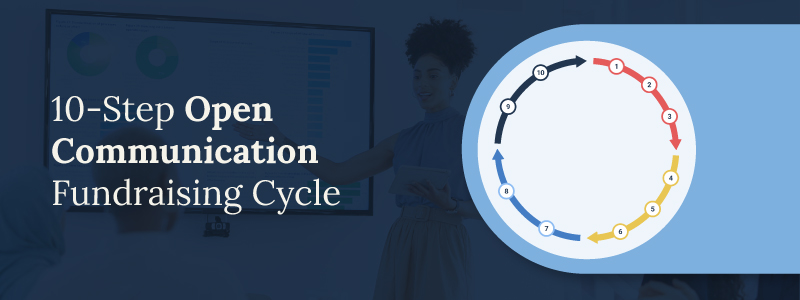
That’s where our 10-step Open Communication™ Fundraising Cycle approach comes in, eliminating silos and promoting efficiency, clarity, and confidence.
KEY TAKEAWAY:
No single team member should be responsible for carrying the complete grant load. By mitigating one of the most problematic grant writing mistakes, strong systems and proactive teamwork transform stress into sustainability.
Mistake #4: Ignoring Compliance and Post-Award Reporting
The Problem
Another common pitfall in grant management? Dropping the ball after winning the award. Missed reporting deadlines, misallocated funds, and poor outcome tracking can quickly derail success. Securing the grant is just the beginning.
Failing to follow through doesn’t just reflect poorly; it can damage funder relationships and jeopardize future opportunities.
Why It Happens
Once the excitement surrounding an award fades, attention shifts back to more immediate daily operations.
Without a clear post-award plan, deadlines sneak up and communication between teams breaks down. Funders notice, and credibility takes a hit — unless you adopt a practice stance against this common grant writing mistake.
The Fix
Treat compliance and reporting as part of your proposal strategy, not an afterthought, by creating a comprehensive compliance calendar that lists deliverables, responsible staff, and due dates.
Aligning finance and program leads early and often clarifies expectations and mitigates confusion over who’s managing what.
Communication Mark offers customized compliance checklists designed to ensure that clients are audit-ready and future-proof.
KEY TAKEAWAY:
To avoid falling victim to one of the most common grant writing mistakes, plan for compliance before you click “submit.”
Mistake #5: Not Learning from Rejections
The Problem
When a proposal is declined, many nonprofits move on and don’t look back. However, every rejection contains insights you can use to improve. Digging deeper can help you do better next time.
Why It Happens
After weeks of work, rejection stings; reflection takes time and energy you may not feel like you have. Without implementing a structured review process, teams miss the chance to identify weak metrics, vague budgets, or misaligned narratives that may be holding them back.
The Fix
Win or lose, debrief after every decision. Tracking reviewer feedback, funding trends, and scoring notes can help you identify common themes and potential areas of improvement. Update your grant strategy quarterly to underscore lessons and takeaways.
This is one of the most common grant writing mistakes we see at Communication Mark, which is why we urge our clients to consider a “no” to be just as important as a “yes” because it’s an opportunity to analyze what didn’t land (and why) to secure the win next time.
KEY TAKEAWAY:
In life and in grant writing, rejections aren’t failures; they’re feedback. Study them to sharpen your strategy.
Mistake #6: Poor Data Storytelling
The Problem
Many nonprofits share strong statistics but weak stories. Raw numbers, such as clients served, meals delivered, and workshops hosted, may seem impressive, but they don’t connect to meaningful impact.
Why It Happens
In the rush to gather numbers and quantify results, context can get lost. But funders aren’t interested in the numbers themselves; they’re interested in what those numbers translate to in the real world. Without a compelling narrative bridge, data alone can feel detached and impersonal.
The Fix
To avoid one of many detrimental grant writing mistakes, pair numbers with names and clear outcomes. Rather than saying, “We served 3,000 youth,” go with something like, “We helped 3,000 young people graduate high school on time, including Maya, the first in her family to attend college.”
Combine quantitative results with qualitative stories, and use charts, dashboards, infographics, and other visuals to bring data to life.
KEY TAKEAWAY:
Data indicates impact, but storytelling backs it up with meaning. The most successful grants utilize both.
Mistake #7: Weak Relationship Management
The Problem
Funders aren’t ATMs, and yet many nonprofits treat them that way. Raising funds means relationship building. It does not mean showing up when a proposal is due, only to disappear until the next cycle.
Why It Happens
With so many priorities competing for attention, stewardship can easily fall off the radar. This is problematic because transparency, appreciation, and connection with funders can be just as important as the results themselves.
The Fix
Engage funders year-round through touchpoints, such as sharing updates, inviting them to events, and celebrating milestones together. Keeping them informed about your impact and evolving needs nurtures trust that can open doors to future or unsolicited funding.
KEY TAKEAWAY:
Strong relationships supersede single grants. Throughout the grant writing process, prioritize visibility, gratitude, and authenticity to minimize grant writing mistakes and stay in the good graces of funders.
Bonus: The Hidden Mistake — Going It Alone
The Problem
One of the biggest grant writing mistakes happens when you assume you don’t need (or have time for) an outside perspective. Even experienced teams have blind spots. Enlisting an additional pair of eyes can help you catch oversights and other mistakes before it’s too late.
Why It Happens
When staff juggle too many roles or are in the weeds of a project, objectivity disappears. Internal teams can get too close to their own stories to recognize what funders actually need to hear and how best to tell it to them.
The Fix
Welcome partners who can provide structure, clarity, and specialized expertise. It’s not replacing your staff, but instead about supporting and elevating them. Our collaborative, multi-step model offers strategy, storytelling, and compliance support to strengthen internal capacity and increase win rates.
KEY TAKEAWAY:
One rule of thumb when it comes to avoiding grant writing mistakes? Objectivity is an asset. Outside insight can turn a “good enough” proposal into a funded one.

Clarity, Confidence, and Consistency Win Grants
Effective grant writing balances strategy, storytelling, and structure while connecting metrics to mission and vision to verification. When you combine clarity of purpose with go-to systems and consistent messaging, you give funders everything they need to say “yes.”
Another way to think about it? Luck doesn’t win grants. Process does. Avoiding these common grant writing mistakes will take your grant program from reactive to proactive — and help your team stop chasing opportunities and start creating them.
If you’re ready to simplify your processes, strengthen your proposals, and boost your success rates, we can help. To identify your biggest opportunities and build smarter and more sustainable grant strategies, book your Grant Readiness Call with the Communication Mark team today.